
Frequently Asked Questions
Holiday & vacation dialysis in Barbados and the Caribbean
About Sils Dialysis
Why choose Sils Dialysis for dialysis treatment in the Caribbean?
Sils Dialysis is the largest private dialysis provider in Barbados and a premier provider of dialysis services in the Caribbean, delivering more than 23,000 haemodialysis sessions per year. Established in 2012 in partnership with the Queen Elizabeth Hospital, our clinics are equipped with hemodialysis machines from Baxter and Fresenius, two of the world’s leading manufacturers, and use advanced B. Braun reverse osmosis water treatment systems that meet international clinical standards. Our senior nursing team averages more than 15 years of dialysis-specific experience, and we welcome patients from across the region and around the world — including visitors from the United States, Canada, the United Kingdom, Europe, and neighbouring islands such as Trinidad, St. Lucia and Antigua.
Where are the Sils Dialysis clinics in Barbados?
Sils Dialysis operates three clinics in Barbados: one near Bridgetown, one in Warrens, St. Michael, and one in Glebe Land, St. John — the first two within easy reach of the island’s main hotel and resort areas on the south and west coasts.
Visitors — Holiday & Vacation Dialysis
Can I receive dialysis in Barbados while on holiday or vacation?
Yes. Sils Dialysis welcomes non-resident and visiting dialysis patients from around the world at our clinics in Barbados. Whether you are travelling from the US, Canada, the UK, Europe or elsewhere in the Caribbean, you can continue your regular haemodialysis treatment while enjoying your Barbados vacation. Please contact us at info@silsdialysis.com to arrange your sessions in advance.
How far in advance do I need to book holiday dialysis in Barbados?
We recommend booking at least four weeks in advance to ensure session availability — one of the shortest lead times for vacation dialysis in the Caribbean, where many centres require six to eight weeks’ notice.
What clinical information do I need to provide?
Very little — we make it easy. Simply connect your home nephrologist or dialysis clinic with Sils Dialysis and we will coordinate directly with them to receive your current dialysis prescription and any other details we need. Your home clinic is kept fully informed throughout, so your care continues seamlessly before, during and after your stay in Barbados.
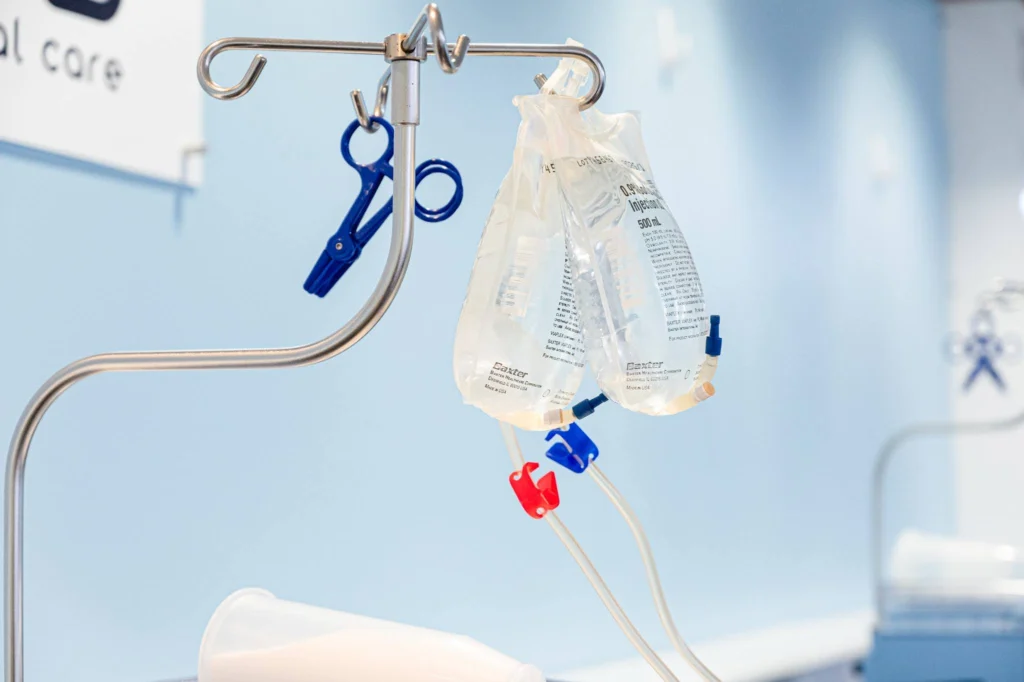
What type of dialysis does Sils offer for visiting patients?
We offer in-centre hemodialysis (haemodialysis) for visiting and transient patients. If you are on peritoneal dialysis (PD), please contact us to discuss your options before travelling.
How long does each dialysis session take, and how often will I need treatment?
A typical haemodialysis session at Sils Dialysis lasts four hours, usually three times per week, following the prescription set by your home nephrologist — so treatment fits comfortably around beach days, excursions and cruise stops.
How much does holiday dialysis in Barbados cost, and how do I pay?
Sessions at Sils Dialysis are priced from USD 300 to USD 450 per haemodialysis session, depending on the number of sessions. Contact us at info@silsdialysis.com with your treatment dates for a confirmed quote. We accept all major credit cards.
Does Sils Dialysis accept travel or international health insurance?
Yes we do – please contact us.
Can you help arrange transport from my hotel to the clinic?
Yes. Let us know where you are staying and we will help you plan reliable transport to and from your sessions.
What happens if I have a medical emergency during my stay?
Our clinics follow international clinical protocols and our nursing team is trained in emergency response. We work closely with the Queen Elizabeth Hospital, Barbados’s main acute-care hospital, ensuring rapid escalation should hospital care ever be required.
What are your opening days and hours?
We operate Monday through Saturday starting at 6am.
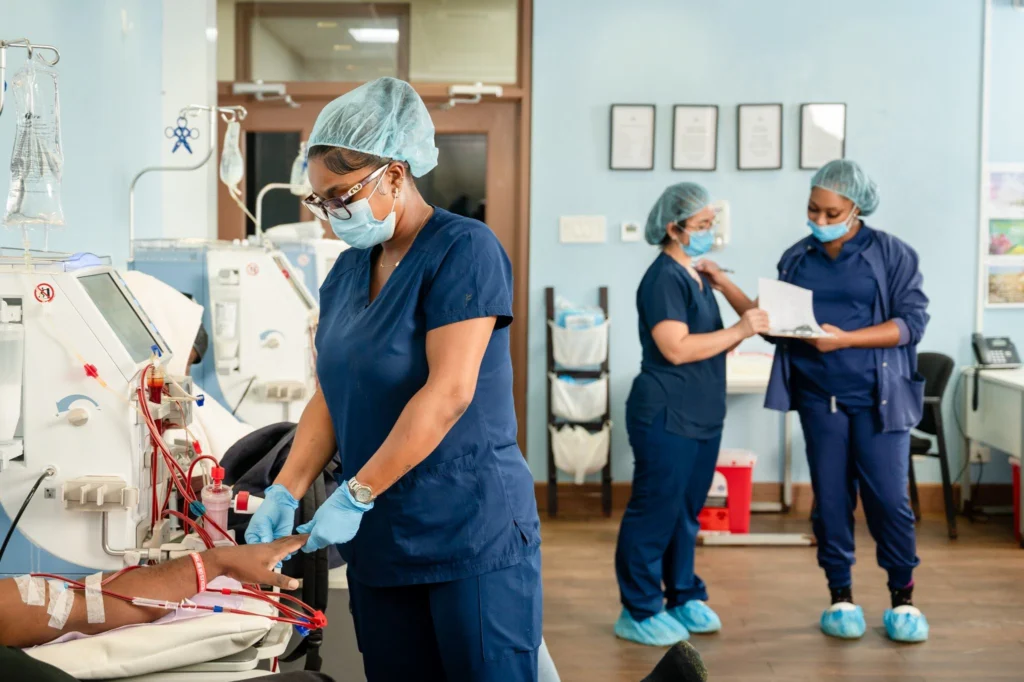
Patients in Barbados
How do I become a patient at Sils Dialysis?
We work in partnership with the Queen Elizabeth Hospital (QEH), and patients can be referred to us directly from there. Alternatively, you can contact us at info@silsdialysis.com and we will guide you through the next steps.
I currently receive dialysis at the QEH — can I transfer to Sils?
Yes. Speak to your care team at the QEH about a referral to Sils Dialysis. We will coordinate the transfer with the hospital so your treatment continues without interruption.
Is Sils related to the QEH?
We are privately owned, but we work in partnership with the QEH to provide dialysis to Barbados.
Will I have to pay for my treatment if I am referred from the QEH?
No.
How can I find out if I have kidney disease?
Through the free Sils Dialysis kidney testing programme in Barbados. Anyone can walk in and get tested — no referral needed and no cost. Early detection matters: kidney disease often has no symptoms, and when caught early its progression can be slowed, in many cases avoiding dialysis altogether. Contact us or visit any of our clinics to get tested.
Regional Presence & Partnerships
Does Sils Dialysis only operate in Barbados?
No, we are planning to extend operations to other islands in the Caribbean in the near future.
We would like to bring dialysis services to our country — is Sils Dialysis open to partnering with us?
Yes. Sils Dialysis is actively looking to expand its partnerships across the region. Please contact us at info@silsdialysis.com to start the conversation.
Understanding Kidney Disease
Is there anything I can do to improve my kidney function?
Chronic kidney disease is different from damage that happens to the kidneys quickly. Sudden damage to the kidneys sometimes improves just as quickly as it happens. Chronic kidney disease usually doesn’t improve.
Why should I care about my kidney disease if it can't be cured?
There are two important reasons to care about your kidney disease. First, there are things that can be done to slow down damage to the kidneys. Second, there are ways to stay healthy even though your kidneys are not working well.
I don't have pain and produce a good amount of urine — how can I have kidney disease?
The diseases that most commonly cause permanent damage to the kidneys are diabetes and high blood pressure. These diseases don’t cause pain, and most people who have kidney disease, including those who are about to start dialysis, can make a normal amount of urine. Because of the damage, the kidneys cannot filter enough of the toxins from the blood into the urine. That means even if there is a good amount of urine, it is of poor quality.